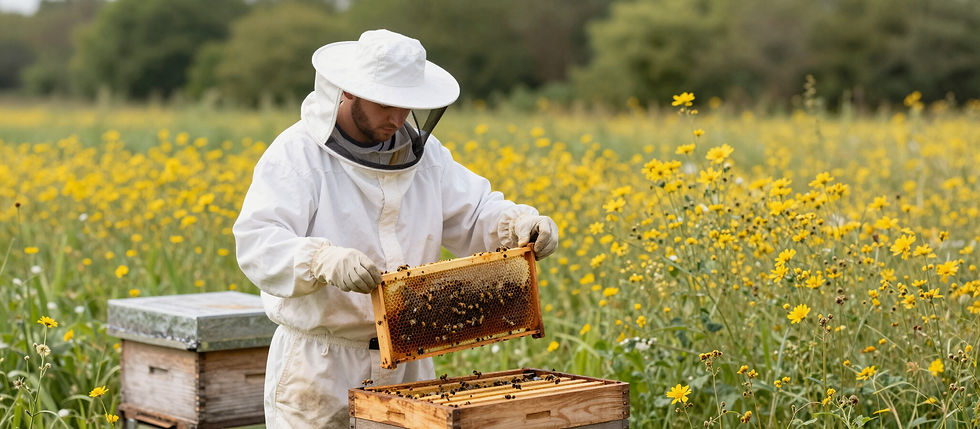
Lesson 1: Welcome to the World of Bees
Series 1 — Foundations of Beekeeping
A gentle introduction to honey bees, their colony and why they matter. Start your beekeeping journey with Norfolk Bees.
Series 1 – Foundations of Beekeeping
Welcome to the World of Bees
A gentle introduction to honey bees, their colony and why they matter.
By the end of this lesson you will understand...
✓
✓
What honey bees are
✓
Why they matter
✓
The structure of a colony
What you'll learn during Series 1
Main Lesson
Welcome to the Wonderful World of Bees
Whether you've always dreamed of keeping bees or you're simply fascinated by these remarkable insects, you've taken the first step on an extraordinary journey.

Honey bees have shared our countryside for thousands of years. Long before modern farming and gardens, they were pollinating wild flowers, helping plants reproduce and quietly supporting entire ecosystems. Today, they continue to play a vital role in producing much of the food we enjoy, yet many people know surprisingly little about how they live.
Did You Know?
A single worker bee may visit 500 to 1,000 flowers during one foraging trip, making hundreds of trips throughout her short summer life. Despite her tiny size, every journey contributes to the survival of the colony.
A Remarkable Society
A colony of honey bees is often described as a single superorganism. Although it may contain tens of thousands of individual insects, every bee has a specific role to perform. From the hardworking worker bees to the drones and the queen, each contributes to the survival and success of the colony.
.png)
🐝
"One of the biggest surprises for new beekeepers is how peaceful a healthy colony usually is. Before I open a hive, I often spend a few minutes simply watching the entrance. You can learn an incredible amount without lifting a single frame. The bees will often tell you everything you need to know if you're prepared to slow down and watch."
Why Bees Matter
Honey bees are responsible for pollinating a huge variety of crops and wild plants. Every trip from hive to flower transfers pollen between blossoms, allowing plants to produce fruits, vegetables, seeds and nuts. Without pollinators, many of the landscapes we take for granted would look very different.
Myth Buster
Perhaps the greatest misconception about bees is that they are aggressive. In reality, a healthy colony has very little interest in people. Most stings occur only when bees feel threatened or when their hive is disturbed.
Your Journey Starts Here
This Learning Hub has been designed to help you build your knowledge step by step. Each lesson builds on the one before it, so there's no need to rush. Take your time, enjoy the journey and, above all, stay curious.
Knowledge Check
Question: What is a common misconception about bee aggression and why?
- They hunt humans during flowering season.
- They are aggressive, but actually stings are usually self-defence.
- They only sting when they want to make honey.
Whether you've always dreamed of keeping bees or you're simply fascinated by these remarkable insects, you've taken the first step on an extraordinary journey.
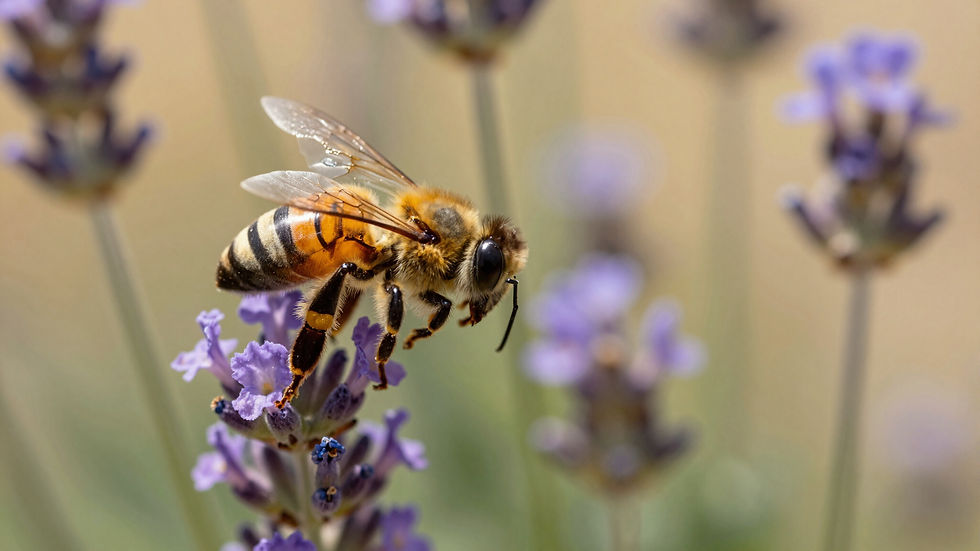
Honey bees have shared our countryside for thousands of years. Long before modern farming and gardens, they were pollinating wild flowers, helping plants reproduce and quietly supporting entire ecosystems.
Did You Know?
A single worker bee may visit 500 to 1,000 flowers during one foraging trip, making hundreds of trips throughout her short summer life.
A colony of honey bees is often described as a single superorganism. Although it may contain tens of thousands of individual insects, every bee has a specific role to perform.
Perhaps the greatest misconception about bees is that they are aggressive. In reality, a healthy colony has very little interest in people. Bees are busy gathering nectar and pollen, caring for their young and maintaining their home.
Bee Myth Buster
Myth: All bees die after they sting. Fact: Only honey bees die after stinging humans, and only because our skin is thick enough to catch their barbed stinger.
Every trip from hive to flower transfers pollen between blossoms, allowing plants to produce fruits, vegetables, seeds and nuts. Without pollinators, many of the landscapes we take for granted would look very different.
Knowledge Check
1. What unique role does the queen bee serve?
A) Collecting nectar
B) Laying eggs to sustain the colony
C) Guarding the hive entrance
DOWNLOAD MODULE
Download this module as a beautifully designed PDF.
Related Articles
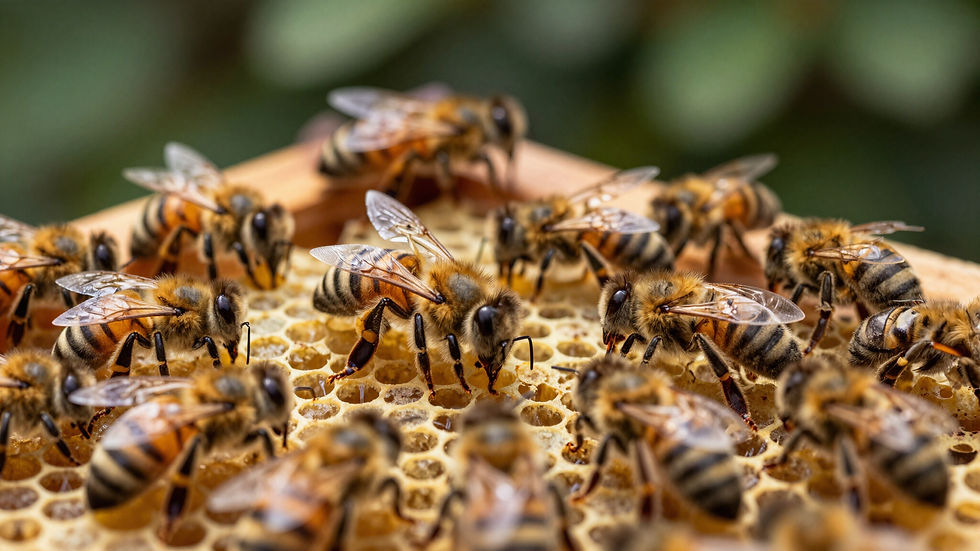
Understanding Hive Hierarchy
A deep dive into the roles of queens, workers, and drones in a functioning colony.

Spring Management Tips
Essential steps for beekeepers to prepare their hives for the upcoming active season.
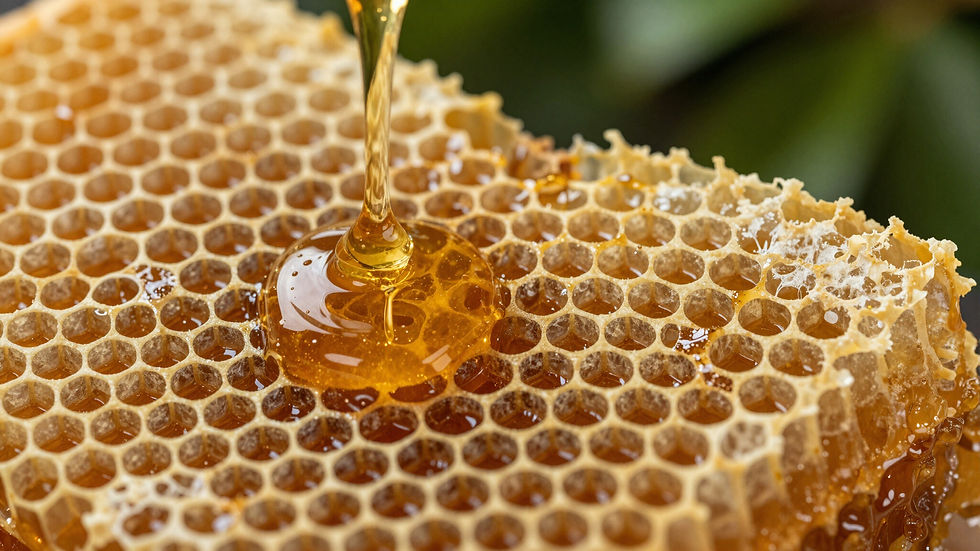
The Secrets of Honey
Explore the complex process of honey creation and its historical importance to humans.
Related Learning Modules
Stay in the learning journey — Next modules coming soon
Ask Tristan
Have a question about Lesson 1 or have you spotted something interesting in your own garden? Tristan is here to help you navigate your beekeeping journey.