Giving Honey Bees a Safe New Home
Swarm Rescue & Relocation
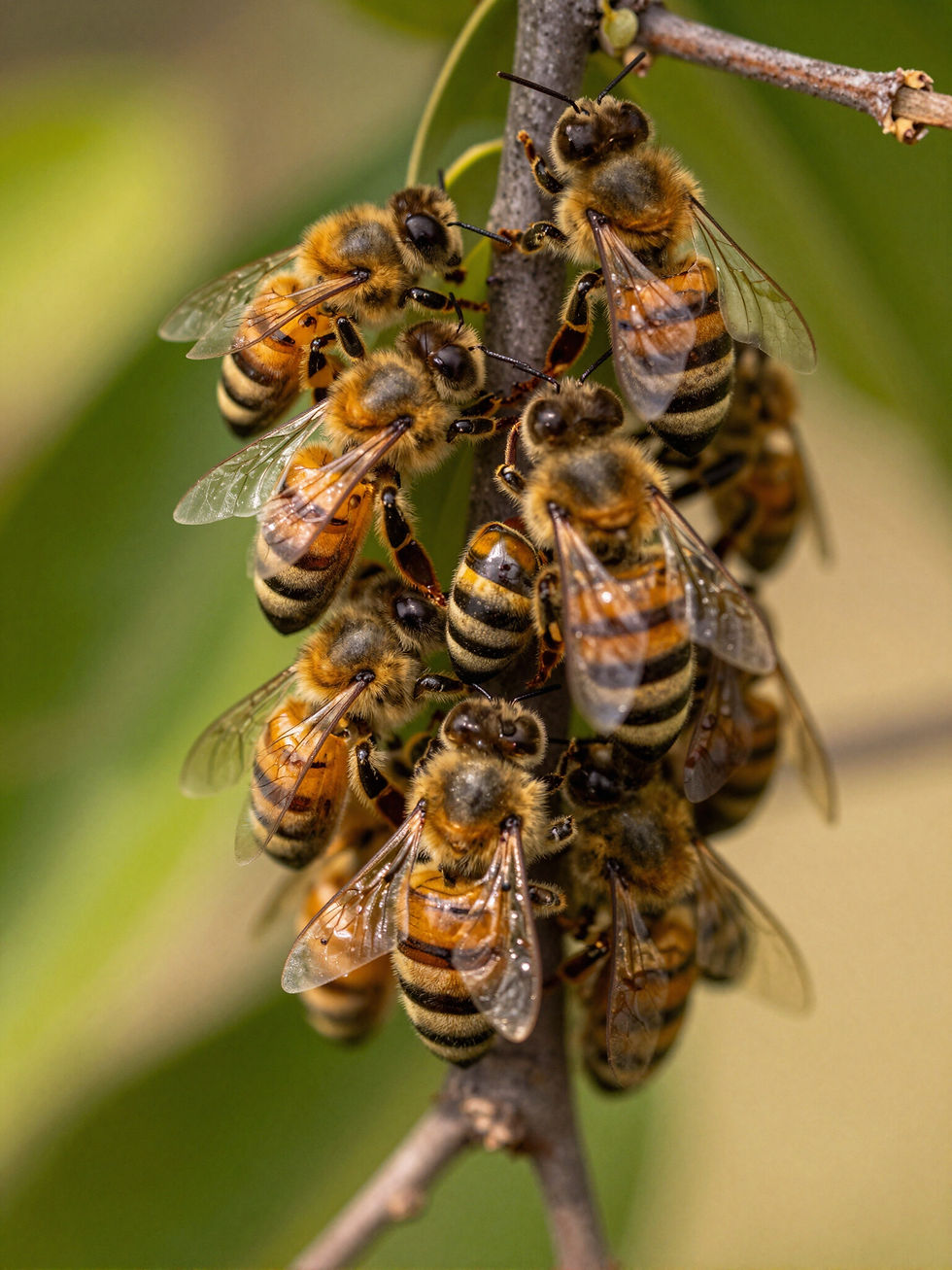
Every spring and summer, honey bee colonies naturally reproduce by swarming. While a swarm can appear dramatic, it is usually at its calmest during this stage of its life.
At Norfolk Bees, Tristan's priority is always the welfare of the bees. Rather than destroying swarms or simply moving them out of sight, he carefully rescues them and gives them the opportunity to establish a new life in a safe environment.
Every successful swarm rescue is another healthy colony preserved for the future.
The Rescue Process
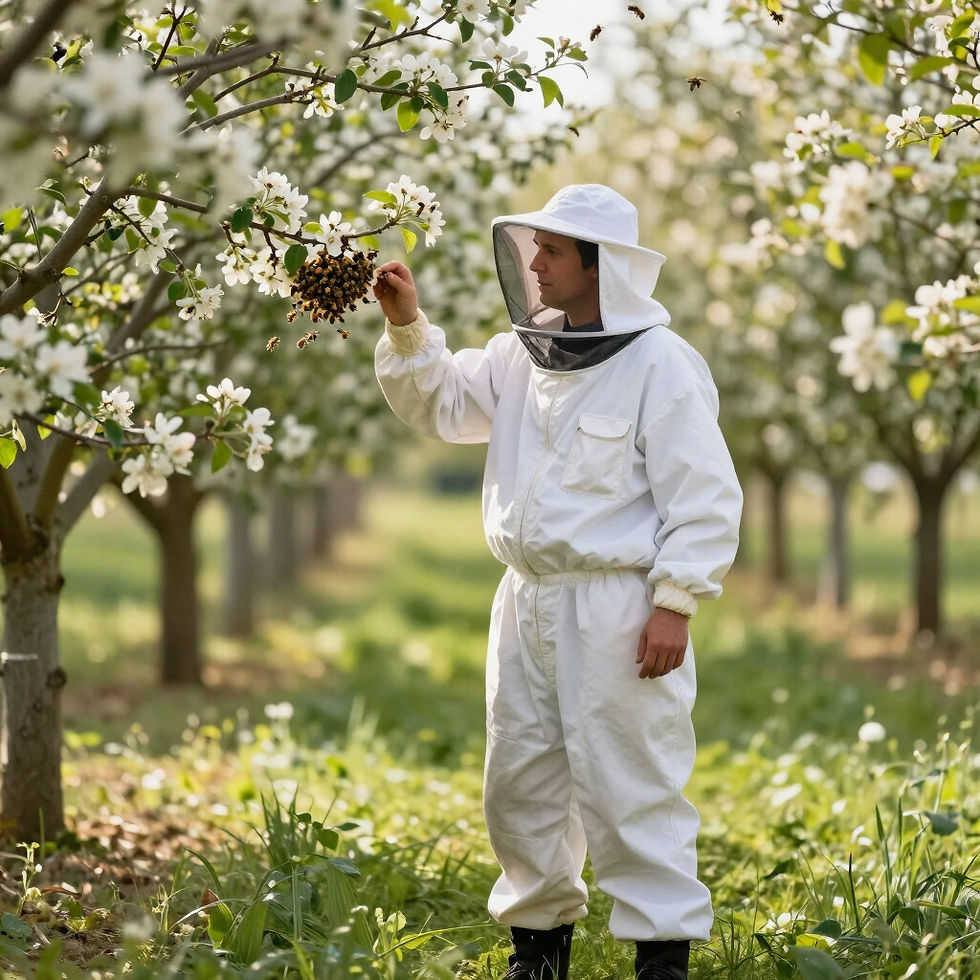
Some swarms are from low tree branches, others from challenging locations like hedges or roof spaces. Tristan spends time observing the bees, looking at the size, settled location, queen presence, and safety risks to people and property before the rescue begins.
What Happens When Tristan Arrives?
Every swarm is different.

A Calm, Careful Collection
Honey bees are remarkably calm during a swarm. With patience, Tristan gently transfers them into a collection box. The aim is to ensure the queen enters safely, because once she is inside, the rest of the colony will naturally march into their new home.
Why the Queen Matters
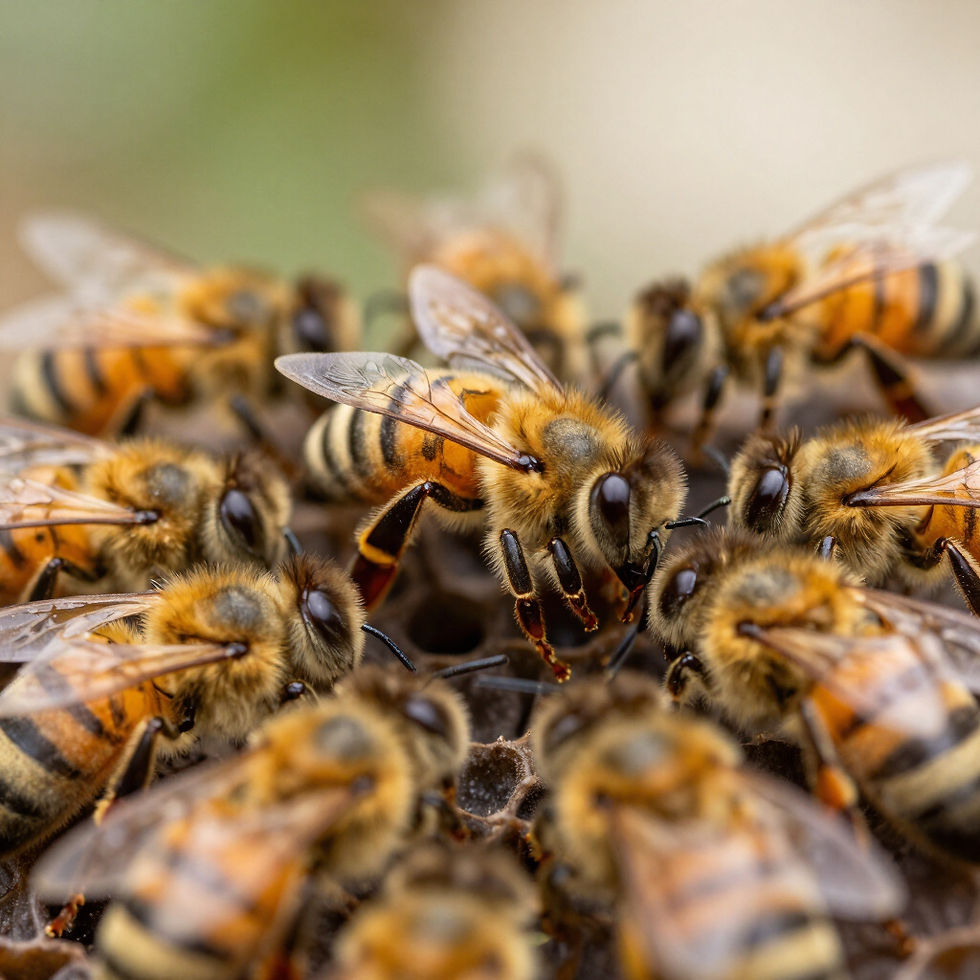
The queen is the heart of the colony. When she enters the collection box, workers sense her pheromones and gather around her. Experienced swarm collection relies on observation rather than force, letting the bees tell you when they are together.

Relocating the Colony
Once the swarm has settled, Tristan carefully transports the colony to one of his apiaries. The bees are then relocated at least three miles from where they originally swarmed. This distance is important because it encourages the bees to perform new orientation flights and recognise their new surroundings as home.
If a colony is moved only a short distance, many foraging bees may simply fly back to the original location. By relocating them beyond their familiar foraging range, the colony has the best opportunity to establish itself successfully in its new environment.
Tristan's Hive Window
“One thing I've learned over the years is that bees nearly always have a reason for what they're doing. If you slow down, observe carefully and resist the temptation to panic, they'll usually tell you exactly what's happening. Swarm collection isn't about rushing in, it's about understanding the colony first and letting the bees guide the process.”
A New Beginning
The rescue doesn't end when the bees leave your property. Once relocated, Tristan continues to monitor the colony as it settles into its new home. The bees are given suitable accommodation, regular inspections and the opportunity to begin drawing fresh comb, raising brood and storing nectar. Seeing a rescued swarm flourish is one of the most rewarding parts of beekeeping.
Every Swarm Deserves a Chance
Most swarms are not aggressive. They are simply looking for a safe place to begin again. With careful handling, experience and patience, these remarkable insects can often be rescued safely without harm to people or bees. Every successful relocation helps preserve local honey bee populations while giving a healthy colony the opportunity to continue its important work.

Frequently Asked Questions
Will the bees come back?
Not once they have been successfully relocated. By moving the colony at least three miles away, the bees reorientate to their new surroundings and establish a new home.
Does collecting a swarm hurt the bees?
No. Tristan uses calm, welfare-focused methods designed to minimise disturbance and protect the entire colony, including the queen.
Are swarms dangerous?
Most honey bee swarms are surprisingly docile because they have no brood or honey stores to defend. They should still be treated with respect and never disturbed by the public.
What happens to the bees afterwards?
The colony is introduced into suitable hive equipment, monitored carefully and managed as it establishes itself in its new apiary.